


You might feel a bit uneasy if you’re working in an industry where asbestos lurks. With exposure comes the chance of developing certain cancers. Mesothelioma is not something you want to think about as you head to work.
However, if you are employed in certain industries, you have to take precautions to limit exposure.
Fortunately, those in high-risk industries can protect themselves from mesothelioma in the workplace. With these steps, you can keep you and your family safe.
Why Do You Need to be Concerned About Mesothelioma?
Mesothelioma is a cancer that affects the lining around your lungs. In the majority of cases, it’s linked directly to asbestos exposure. However, those symptoms do not show up for decades after exposure, sometimes 20 to 50 years later. That means if you feel fine now, past exposure could still affect your health years down the road.
For this reason, you want to take those precautions now to prevent any health issues later in your life.
How do you know that you could be at risk? If you work in certain industries, especially around older buildings or equipment, there is a higher chance that you could encounter asbestos.
Some of these jobs include:
- Construction and demolition
- Shipbuilding or ship repair
- Plumbing, electrical, or pipefitting
- Automotive work involving brakes or clutches
- Manufacturing with older materials
- Insulation installation or removal
If you work in any of these industries, you need to know where asbestos hides, such as in old ceiling tiles, insulation, floor tiles, or ductwork. Just knowing where these dangers can hide is the first step in keeping yourself safe.
Protect Yourself on the Job
Most sites should have safety protocols regarding asbestos exposure. These employers need to provide you with personal safety protection and have guidelines to prevent asbestos exposure. But sometimes, that doesn’t happen.
Whether you are provided with guidelines from the Occupational Safety and Health Administration or have to proceed on your own, here is what you need to know:
Get the Right Gear
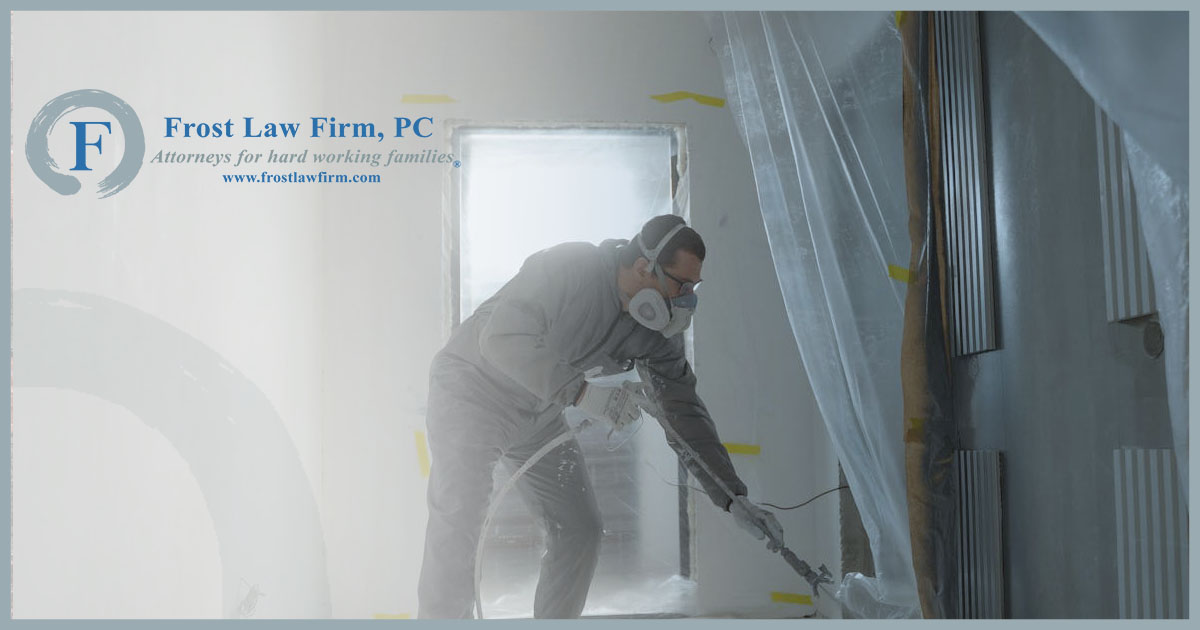
If there’s a chance you will disturb asbestos, always use the proper protective gear:
- A good respirator that filters out asbestos fibers
- Disposable coveralls so fibers do not stick to your clothes
- Gloves and eye protection
Everything should fit properly and be clean. If it is loose or damaged, it does not offer the right protection.
Follow All Safe Work Practices
You need to be cognizant of how you operate on the job site. If you are handling asbestos materials, make sure to:
- Keep things wet to stop dust from flying around
- Avoid power tools unless designed to reduce dust
- Never break up materials unless you are trained and authorized
- If professionals are hired for removal, give them space and follow instructions
You want to keep those tiny fibers from becoming airborne. That is when they can get into your lungs.
Keep It Off Your Clothes
Asbestos fibers can cling to your work clothes and come home with you. In turn, that can risk your family’s health. You want to change out of your work clothes. If available, shower, and keep your work clothes separate from regular laundry.
Take Training Seriously
If your workplace offers asbestos awareness training, make sure to pay attention. These sessions teach you what asbestos looks like, how it behaves, and what to do to stay safe. It is an investment in your safety.
Speak Up If You’re Concerned
Say something if something feels unsafe, like no proper gear, dusty work, or a lack of information.
You will want to talk to your supervisor, union rep, or OSHA. Protecting yourself and your coworkers starts with raising concerns about a lack of proper safety measures. Mesothelioma develops over a long time, so protecting yourself today can make all the difference years down the road.
Stay aware, be cautious, and never be afraid to ask questions or demand safer conditions.
What If You Think You’ve Been Exposed?
Unfortunately, exposure can happen at any worksite. If you think you might have been exposed, you need to:
- Tell your doctor about your potential asbestos exposure
- Get regular checkups focused on lung health
- Ask about chest X-rays or CT scans, especially if you have symptoms like a persistent cough or shortness of breath
- Keep track of where and when you were exposed
The sooner you catch a health issue, the better your chances for treatment.
Know Your Rights If You Have Been Exposed
There are laws in place to protect you. OSHA requires employers to limit asbestos exposure and keep workers informed. If mesothelioma or other asbestos-related illnesses develop, you might be eligible to take legal action.
If you have discovered you have been exposed to asbestos and now face health issues, reach out to Frost Law Firm, PC. We are here to listen to your case and get the answers you deserve.