


Pedestrian accidents can happen in an instant, yet their effects often last a lifetime. Even at lower speeds, collisions between vehicles and pedestrians can cause severe injuries. Understanding the main causes of accidents involving pedestrians helps both drivers and pedestrians take steps to reduce risks.
While every accident is unique, there are certain factors that consistently play major roles in most pedestrian accidents.
Distracted Driving
One of the most common causes of pedestrian accidents is distracted driving. When drivers focus on their phones, in-car entertainment systems, or even conversations with passengers, they may fail to notice pedestrians crossing or walking near the roadway.
Even just a couple of seconds of inattention can lead to collisions and serious injury.
Distractions aren’t limited to smartphones. Adjusting the radio, eating, or looking for something inside the car all take attention away from the road. Because pedestrians are often less visible than other vehicles, any lapse in focus increases the risk of missing them altogether.
Failure to Yield Right of Way
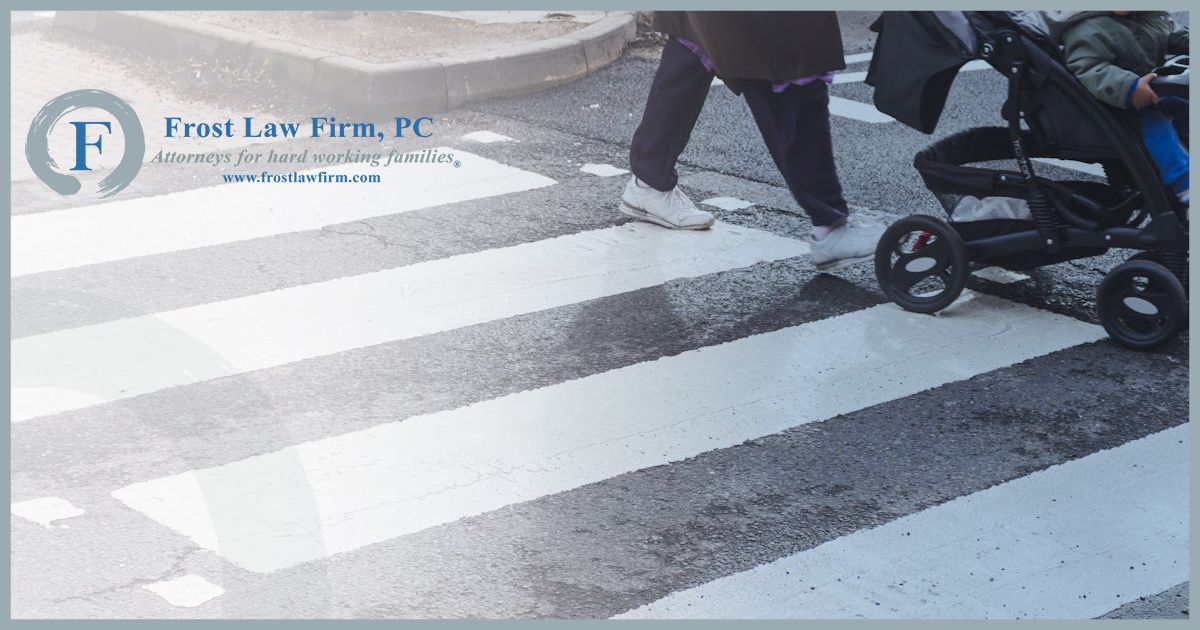
Pedestrians often have the legal right of way at crosswalks and intersections, yet many accidents occur because drivers fail to yield. This may happen when a driver is in a hurry, misjudges a pedestrian’s speed, or simply doesn’t see them. In some cases, drivers may roll through stop signs or turn without checking for pedestrians in the crosswalk.
Right-of-way violations are especially dangerous in urban areas where foot traffic is heavy. A split-second decision to keep moving instead of stopping can have devastating consequences.
Speeding
Speeding not only increases the likelihood of a pedestrian accident but also makes the resulting injuries more severe. At high speeds, drivers have less time to react if someone steps onto the road.
Stopping distances increase significantly, meaning even if a driver spots a pedestrian, it may be too late to avoid impact. Residential areas and school zones are common locations for speed-related pedestrian accidents.
Drivers who ignore posted limits in these areas put pedestrians, particularly children, at high risk.
Impaired Driving
Alcohol or drug use impairs a driver’s judgment, reaction time, and coordination. Impaired drivers are less likely to notice a pedestrian and are more likely to misjudge distance or speed. Nighttime accidents are particularly common when impaired driving is involved because visibility is already reduced.
Even a small amount of alcohol can affect one’s driving ability, making it important for anyone who’s consuming alcohol or taking impairing medications to not get behind the wheel.
Poor Visibility
Many pedestrian accidents happen at night or during low-light conditions such as dawn, dusk, or heavy rain. A lack of visibility can make it difficult for drivers to see pedestrians, especially when they’re wearing dark or neutral clothing. Street lighting, weather conditions, and glare from other vehicles can also reduce a driver’s visibility.
As a pedestrian, you can improve your visibility by wearing reflective clothing or carrying lights, but ultimately, drivers must stay alert and adjust their speed to match the conditions.
Jaywalking and Unsafe Pedestrian Behavior
While drivers often bear much of the responsibility for avoiding accidents, pedestrian behavior can also contribute to these collisions. Jaywalking, crossing against traffic lights or signals, or stepping into the road from between parked vehicles can all catch drivers off guard. Distractions like texting or wearing headphones can also reduce a pedestrian’s awareness of their surroundings.
Safe walking habits, such as using crosswalks, obeying signals, and staying alert, all help lessen the risk of accidents.
Common Contributing Factors
Many pedestrian accidents involve a combination of factors. For example, a speeding driver might hit a pedestrian who is crossing outside of a crosswalk at night. Understanding the range of causes can help both pedestrians and drivers take preventive measures:
- Distracted or inattentive driving
- Failure to yield at crosswalks or intersections
- Driving too fast for conditions
- Alcohol or drug impairment
- Poor lighting or weather-related visibility issues
- Pedestrian inattention or unsafe crossing behavior
What Is the Role of Road Design?
Infrastructure also influences pedestrian safety. Roads without sidewalks, poorly marked crosswalks, and intersections lacking pedestrian signals can all increase accident risks. High-speed roadways that run through residential or commercial areas often put pedestrians in danger because they encourage fast-moving traffic in places where foot traffic is common.
Cities and municipalities can reduce pedestrian accidents by adding features such as speed bumps, pedestrian islands, improved lighting, and well-marked crosswalks. Traffic calming measures not only slow vehicles but also make it easier for drivers to notice pedestrians.
Do You Need a Personal Injury Lawyer If You’re Injured in a Pedestrian Accident?
Contacting a personal injury lawyer after being in a pedestrian accident can be one of the most important steps you can take in protecting your rights and securing fair compensation.
These cases often involve severe injuries and complicated liability questions, and insurance companies that are eager to settle for as little as possible. An experienced lawyer can step in to manage the legal process, allowing you to focus on recovery.
First, your attorney can evaluate your case to determine who’s legally responsible.
Pedestrian accidents can involve multiple liable parties, including the driver, their employer if they were on the job, or even a municipality if poor road design contributed to the incident. Identifying every potential source of compensation is critical to maximizing your recovery.
Second, lawyers know how to gather and preserve evidence. This includes obtaining traffic camera footage, police reports, eyewitness statements, and testimony from experts to both prove who was at fault and document the extent of your injuries. The earlier you get legal help, the less likely it is that valuable evidence will be lost.
Third, a personal injury lawyer can calculate the true value of your claim. Many people underestimate long-term medical costs, lost or diminished future earnings, and non-economic damages like pain and suffering.
Your attorney can ensure all these factors are included in negotiations.
Finally, insurance companies often use strategies to minimize payouts, such as shifting blame or questioning the severity of injuries. A lawyer can handle communications, negotiate aggressively, and, if necessary, take your case to court to fight for what you deserve.
How Can You Help Prevent Pedestrian Accidents?
Reducing pedestrian accidents requires a shared effort between drivers, pedestrians, and city planners.
Drivers need to commit to staying focused, obeying posted speed limits, and yielding the right of way to pedestrians. Pedestrians, for their part, should use crosswalks, stay alert, and make themselves visible in low-light conditions. Communities can invest in road designs that prioritize safety for everyone.
Public education campaigns can also help. By reminding drivers about the dangers of distracted driving and the importance of yielding, along with encouraging pedestrians to follow safe practices, we can help reduce accident rates over time.
Pedestrian accidents often have serious consequences, but many are preventable. Most incidents trace back to human behaviors—whether it’s a driver glancing at a phone, a pedestrian crossing unexpectedly, or someone ignoring traffic laws. By addressing the main causes, everyone on the road can play a role in creating safer streets.
At Frost Law Firm, PC, we believe that awareness, patience, and respect for right of way are small steps that can make a big difference in reducing pedestrian injuries and fatalities in the future.
If you or a loved one has been hurt in a pedestrian accident that was someone else’s fault, we can help.