


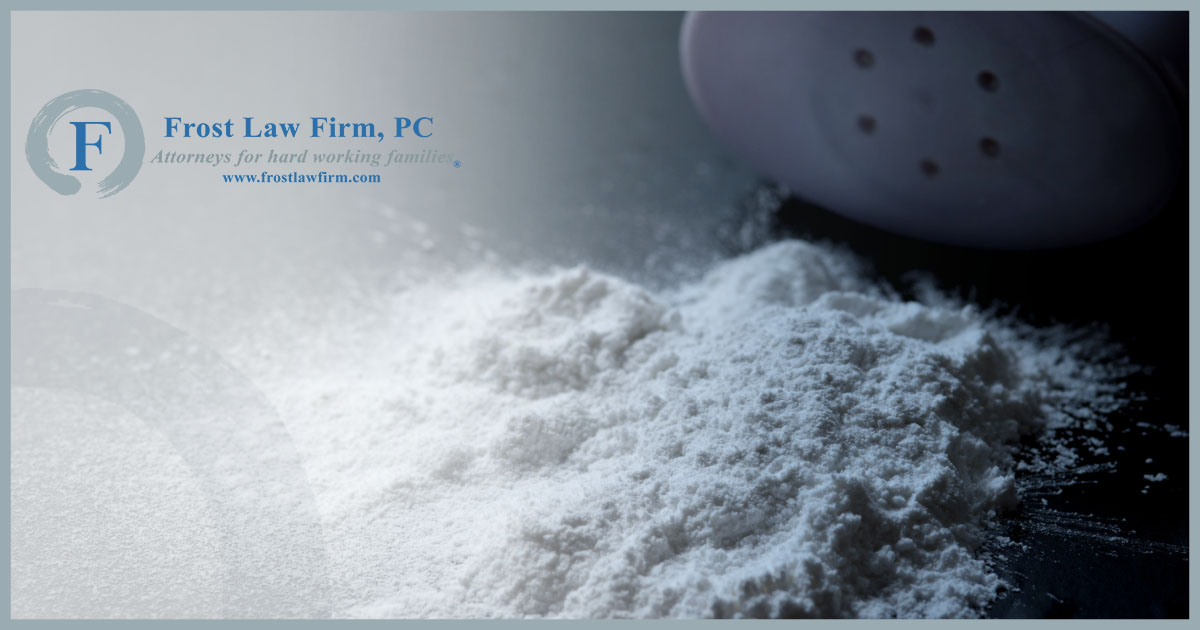
For years, talcum powder was marketed as a harmless everyday product, something found in bathrooms, baby care routines, and cosmetic kits across generations. But in recent decades, serious concerns have emerged about its safety, especially talc’s connection to mesothelioma.
At the center of the issue is the question: How can a product used on the skin be linked to a cancer typically associated with industrial asbestos exposure?
Understanding this connection requires looking beyond surface-level explanations and into how these materials interact at a mineral and cellular level.
The Mineral Connection Between Talc and Asbestos
Talc is a naturally occurring mineral made of magnesium, silicon, oxygen, and hydrogen. It is prized for its softness and ability to absorb moisture. And that is why it has been widely used in cosmetic and hygiene products.
However, talc is also found in geological formations that contain asbestos. These minerals can exist side-by-side underground. But without careful purification, asbestos fibers may remain in the final talc product.
This is where concern begins: asbestos is a known carcinogen, and even microscopic exposure can have serious health consequences.
How Asbestos Particles Contaminate Consumer Talcum Powder
According to the American Cancer Society, contamination occurs during the mining and refining stages. When talc and asbestos deposits are located close together, excavation can disturb both minerals simultaneously.
If separation and purification processes are incomplete or inconsistent, asbestos fibers can remain in the final product. These fibers are not visible to the naked eye and may not be detected without specialized testing.
Once packaged and distributed, contaminated talcum powder can be used in ways that create airborne exposure, such as:
- Dusting the body
- Applying it to infants
- Using it in cosmetic routines
This is why litigation focuses not only on product use but also on manufacturing practices, safety testing, and historical awareness of contamination risks.
Common Talc Products Linked to Mesothelioma Diagnoses
Over the years, talc has been used in a wide range of consumer and industrial products. While not all talc products contain asbestos, concerns have been raised about historical formulations and sourcing practices.
Products commonly discussed in talc-related litigation include:
- Baby powders and body powders
- Cosmetic powders and foundations
- Feminine hygiene products
- Certain pharmaceutical-grade talc applications
- Industrial talc used in manufacturing settings
In many cases, the challenge is not proving product use alone but establishing whether contamination occurred during the relevant time period and whether that exposure contributed to disease development.
Legal Options for Victims of Talc-Related Asbestosis
When a diagnosis is linked to potential talcum powder exposure, victims may have several legal avenues available depending on the circumstances of their case.
These can include mass tort litigation, product liability claims, and personal injury lawsuits. In some situations, families may also pursue wrongful death claims if a loved one has passed away from mesothelioma.
Since these cases involve decades-old products and complex corporate histories, successful claims rely on extensive documentation, expert testimony, and scientific analysis.
This is where experienced legal representation becomes essential.
Your legal team must not only understand the medical aspects of mesothelioma but also the industrial history of talc mining, product safety testing, and corporate responsibility.
Why Scientific Evidence Supports the Talc-Mesothelioma Link
The connection between talc and mesothelioma is rooted in both mineralogy and toxicology. Scientific studies have examined how asbestos fibers can occur in talc deposits and how inhalation of those fibers can affect mesothelial tissue.
While not every talc product is contaminated, the risk has been significant enough to prompt regulatory scrutiny, product reformulations, and large-scale litigation.
In legal settings, you need to establish causation.
There has to be a link between product exposure to disease development. This involves geological analysis of mining sites, laboratory testing of historical product samples, and review of internal manufacturing records.
The strength of these cases often depends on how clearly the scientific chain of evidence can be established.
Frost Law Firm, PC Will Represent Your Talc-Related Claim
Talcum powder-related mesothelioma cases are complicated because they sit at the intersection of geology, manufacturing, and long-term health outcomes.
What appears to be a consumer product can, under certain conditions, become part of a much larger exposure story.
At Frost Law Firm, PC, we guide clients through some of the most complicated mesothelioma claims, turning scientific uncertainty into a path toward accountability and recovery.